
Puerto Rico Hurricane Season: When It Starts, Risks, and Travel Tips
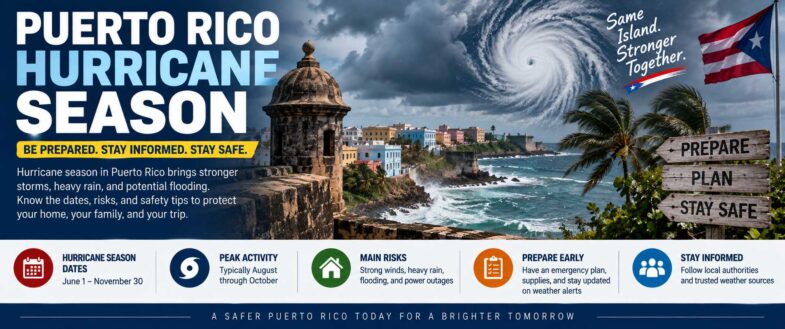
Planning a Caribbean vacation often means thinking about tropical weather as well as beaches and sunshine. The Puerto Rico hurricane season officially runs from June 1 through November 30, matching the Atlantic hurricane season. However, that does not mean hurricanes hit Puerto Rico throughout those six months. Most days remain perfectly usable for travel, while the highest tropical-storm risk generally occurs from August through October.
For travelers, the key is understanding the difference between hurricane season and an actual hurricane threat. With flexible bookings, travel insurance, weather monitoring, and a sensible backup plan, visiting Puerto Rico during this period can still be rewarding.
When Is Hurricane Season in Puerto Rico?
If you are wondering when is hurricane season in Puerto Rico, the official window is June 1 to November 30 each year.
Still, tropical activity is not evenly distributed across the entire season. June and July can bring tropical systems, although the more active part of the Atlantic season usually arrives later in summer. Then, activity tends to become more significant during August, September, and October.
September deserves particular attention because Atlantic hurricane activity historically reaches its climatological peak around this part of the season. However, hurricanes do not follow a travel calendar, so a quiet September is possible just as a storm can develop earlier or later.
November usually brings declining tropical activity as the season approaches its end. Even so, travelers should continue monitoring forecasts until their trip is complete.
Puerto Rico Hurricane Season at a Glance
A simple seasonal overview makes the risk easier to understand.
| Period | General Hurricane Risk | What Travelers Can Expect |
|---|---|---|
| June | Lower, but possible | Warm weather, showers, start of hurricane season |
| July | Generally lower than peak months | Hot, humid weather and tropical showers |
| August | Increasing | Greater tropical-storm awareness needed |
| September | Highest-risk period | Peak Atlantic hurricane activity |
| October | Elevated | Storm risk remains meaningful |
| November | Declining | Season winds down, but storms remain possible |
This table describes broad historical patterns rather than a forecast for any specific year. Therefore, check official weather information shortly before departure and throughout your stay.
If weather is only one part of your decision, a broader guide to the best time to go to puerto rico can help you compare hurricane risk with prices, crowds, temperatures, and seasonal conditions.
Does Hurricane Season Puerto Rico Mean Constant Bad Weather?
No. Hurricane season Puerto Rico does not mean six straight months of storms, heavy rain, or dangerous travel conditions.
Puerto Rico has a tropical climate, so brief showers can occur even on otherwise beautiful days. During summer and fall, you may experience hot temperatures, humidity, sunshine, clouds, and short periods of heavy rain within the same day.
Meanwhile, hurricanes are individual weather systems. A destination does not experience hurricane conditions simply because the calendar falls within hurricane season.
As a result, many travelers visit Puerto Rico between June and November without encountering a hurricane at all.
However, when a tropical cyclone does threaten the island, its effects can be serious. Flights may be canceled, ferries can stop operating, attractions may close, and hotels may activate emergency procedures. Flooding, strong winds, rough seas, landslides, power interruptions, and transportation problems are also possible.
Therefore, travelers should respect the risk without assuming every hurricane-season trip will be disrupted.
What Are the Riskiest Months for Hurricanes in Puerto Rico?
August through October generally deserves the most attention, while September sits near the historical peak of Atlantic hurricane activity.
During this period, ocean and atmospheric conditions can become more favorable for tropical cyclone development. Consequently, travelers visiting during late summer and early fall should build more flexibility into their plans.
Still, seasonal averages cannot tell you what will happen during your particular vacation.
For example, you could book a September trip and enjoy mostly sunny weather. Meanwhile, a different year could bring a tropical system during the same week.
That uncertainty is why flexible planning matters more than trying to predict a hurricane months before traveling.
Should You Visit Puerto Rico During Hurricane Season?
Yes, depending on your comfort with weather uncertainty.
Travel during hurricane season can have advantages. For instance, some periods outside major holidays may offer attractive hotel rates or fewer visitors than the busiest winter months.
Meanwhile, warm ocean temperatures and tropical scenery remain part of the appeal. You can still enjoy beaches, Old San Juan, restaurants, rainforest experiences, historic sites, and local culture when conditions cooperate.
However, travelers with fixed schedules may prefer a lower-risk period. This is especially true for weddings, cruises, short trips, or vacations where losing even one or two days would significantly affect the experience.
Families with young children may also prefer greater predictability. Likewise, travelers who become anxious when monitoring tropical weather may enjoy a winter or spring trip more.
In short, hurricane-season travel can work well for flexible visitors, while people seeking maximum weather stability may prefer another season.
Can Hurricane Season Be a Cheaper Time to Travel?
Parts of the season can offer good value, although prices vary by month, hotel, airline demand, holidays, and events.
September and October may sometimes produce attractive accommodation deals because demand can be softer than during the popular winter escape season. However, cheaper rates come with greater weather uncertainty.
Therefore, do not judge a deal by room price alone.
A nonrefundable hotel reservation that saves $150 may become expensive if a storm forces you to change your plans. By contrast, paying slightly more for a flexible rate can provide valuable protection.
When comparing hotels, check cancellation deadlines carefully. Likewise, review airline change policies before paying for your ticket.
Travel Insurance During Hurricane Season in Puerto Rico
Travel insurance deserves serious consideration during hurricane season.
However, not every policy covers every weather-related problem. Therefore, read the policy rather than assuming the word “hurricane” guarantees reimbursement.
Look at coverage for trip cancellation, trip interruption, travel delays, missed connections, and emergency accommodation. Also, check the circumstances that trigger each benefit.
Timing matters as well. Once a tropical storm or hurricane becomes a known or named event, buying insurance afterward may not provide coverage for that existing threat.
For that reason, consider insurance soon after making significant nonrefundable trip payments.
Meanwhile, “cancel for any reason” coverage may offer broader flexibility in qualifying policies, although it usually costs more and commonly reimburses only part of eligible prepaid expenses.
How to Prepare for Puerto Rico Hurricane Season
Preparation does not require turning your vacation into an emergency exercise. Instead, a few practical steps can make unexpected weather much easier to handle.
First, monitor forecasts from reliable sources as your departure approaches. Pay closer attention if meteorologists begin discussing a tropical disturbance that could affect the northeastern Caribbean.
Next, keep your airline and hotel contact information easily accessible. Also, enable airline notifications so you receive schedule changes quickly.
Then, store essential documents digitally as well as physically. If you are traveling from the mainland United States, you may also want to review do you need a passport to go to puerto rico before departure so you understand the documentation rules that apply to your trip.
Once you arrive, ask your accommodation about severe-weather procedures if a storm is approaching. Large resorts and established hotels often have plans for communicating with guests during emergencies.
Finally, follow instructions from local authorities rather than relying solely on social media posts or travel forums.
What Should You Pack During Hurricane Season?
Pack for tropical heat first, but leave room for wet weather.
Lightweight, breathable clothing works well for most days. However, a compact rain jacket or poncho can be useful when showers develop.
Water-resistant footwear can also help, especially if you plan to walk extensively. Meanwhile, waterproof protection for phones, passports, wallets, and other valuables is useful during heavy rain.
A portable power bank is another smart addition. If severe weather causes power interruptions, keeping your phone charged can help you access updates and contact your airline or accommodation.
Also, bring necessary medication in sufficient quantities. A small flashlight can be useful, while a reusable water bottle is practical throughout the trip.
Still, there is no need to pack extensive emergency supplies for a normal vacation. If a significant storm approaches, follow your hotel’s guidance and local emergency instructions.
Rainy Season vs. Hurricane Season
Rainy weather and hurricanes are not the same thing.
Puerto Rico can experience tropical showers without any tropical cyclone nearby. Likewise, some hurricane-season days can be bright, hot, and mostly dry.
This distinction matters when reading weather apps. A daily rain icon does not necessarily mean continuous rain from morning until night. Tropical forecasts can reflect the possibility of short, localized showers.
Travelers familiar with other tropical destinations may recognize the pattern. For example, understanding the rainy season in costa rica also requires separating routine seasonal rainfall from major tropical weather events.
Therefore, look beyond a simple rain percentage. Check hourly forecasts, radar, official advisories, and the expected duration of bad weather.
Hurricane Season in Puerto Rico and Beach Plans
Beach vacations require extra attention when tropical systems are nearby.
Even when a hurricane does not make landfall in Puerto Rico, distant storms can sometimes affect ocean conditions. Consequently, large waves, dangerous currents, or beach closures may occur despite relatively calm weather on land.
Never assume a sunny sky means the ocean is safe.
Instead, pay attention to local beach warnings, lifeguards, weather advisories, and posted flags. If authorities advise staying out of the water, choose another activity.
Old San Juan, museums, restaurants, shopping, and cultural attractions can provide alternatives when beach conditions are poor, provided local conditions are otherwise safe.
What Happens If a Hurricane Is Forecast During Your Trip?
Your response should depend on the storm’s projected path, timing, strength, and official guidance.
If you have not departed yet, contact your airline and accommodation before making changes. Airlines may issue travel waivers when significant storms threaten airports, although the terms vary.
If you are already in Puerto Rico, follow information from your hotel and local authorities. Do not wait until conditions deteriorate before learning what your accommodation expects guests to do.
Also, avoid unnecessary driving during severe rainfall or strong winds. Flooded roads can be dangerous, while mountainous areas may face different hazards from coastal destinations.
Most of all, avoid making decisions based on dramatic social media posts. Use official weather forecasts and emergency information instead.
Puerto Rico vs. Other Caribbean Destinations During Hurricane Season
Puerto Rico is not the only popular destination affected by the Atlantic hurricane season.
Many Caribbean islands, as well as destinations around the Gulf of Mexico and western Atlantic, can experience tropical systems during this period. Therefore, simply switching destinations may not eliminate weather risk.
For example, travelers comparing Puerto Rico with Mexico often research the best time to visit cancun because Cancun also has seasonal tropical-weather considerations.
Compare airfare, hotel flexibility, activities, transportation, travel dates, and your tolerance for uncertainty.
Common Mistakes Hurricane-Season Travelers Make
One mistake is assuming a hurricane-season trip will automatically be ruined. In reality, the season lasts half the year, while direct hurricane impacts occur only during specific weather events.
The opposite mistake is ignoring the season completely. Although the probability of disruption on any particular trip may be limited, the potential consequences justify basic preparation.
Travelers also sometimes book the cheapest nonrefundable option without checking cancellation policies. Therefore, compare flexibility as carefully as price.
Another mistake is looking at long-range forecasts months before departure and treating them as precise predictions. Hurricane activity cannot be forecast for a specific vacation week far in advance with that level of certainty.
Finally, do not confuse everyday tropical rainfall with an approaching hurricane.
Frequently Asked Questions About Puerto Rico Hurricane Season
When is hurricane season Puerto Rico travelers should know about?
The official Atlantic hurricane season, which includes Puerto Rico, runs from June 1 through November 30. However, activity is generally more concerning from August through October, with September near the historical seasonal peak.
Does Puerto Rico get hurricanes every year?
Puerto Rico does not experience a direct hurricane strike every year. Still, tropical storms and hurricanes elsewhere in the region can sometimes affect rainfall, waves, flights, or marine conditions.
Is September a bad time to visit Puerto Rico?
September carries greater hurricane risk than many other months, but that does not guarantee bad weather. Flexible reservations and travel insurance can make a September trip easier to manage.
Is October safe for Puerto Rico travel?
Many people still travel successfully during the month, although visitors should monitor forecasts and keep plans flexible.
Can I travel to Puerto Rico in November?
Yes. November remains part of the official hurricane season through November 30, although Atlantic tropical activity generally declines as the month progresses.
Should I cancel a trip because it falls during hurricane season?
Not simply because of the date. Instead, monitor conditions as your trip approaches and follow official guidance if a specific storm threatens Puerto Rico.
Plan for Flexibility, Then Enjoy the Island
The Puerto Rico hurricane season should influence your planning, but it does not have to prevent you from visiting between June and November. The season covers six months, while dangerous conditions occur only when particular tropical systems threaten the island.
Therefore, choose flexible bookings, consider suitable travel insurance, monitor reliable forecasts, and understand your hotel’s emergency procedures. During the higher-risk August-to-October period, give yourself even more room to adjust plans.
Then, once conditions look good, enjoy the trip rather than worrying about the calendar. Puerto Rico’s beaches, food, historic neighborhoods, mountains, rainforest, and culture remain worth experiencing throughout much of the year.